
Knox County Arrest Log Sources
The sheriff posts no 72-hour, seven-day, or weekly booking blotter. The KCSO PDF is a present-tense jail list. It can change without leaving older versions behind. So an arrest search must keep three records straight. Those records are the live roster, dated agency law reports, and court dockets.
One useful trail is the Knox Pages Law Reports archive. It carries dated KCSO material plus reports from Mount Vernon and Fredericktown police. Some entries cover one date. Others span a weekend or a whole range. The entries mix calls for service with selected incidents rather than every person booked into jail.
Read the Knox County Blotter
Start with the event date. A report can be printed days after the call, and a date-range post may bundle several days together. Always check the source label. That label tells you whether KCSO, Mount Vernon Police, or Fredericktown Police supplied the entry.
- Open the archive and select the agency and date range closest to the event.
- Read the report date, event time, agency, location, and case number as separate fields.
- Look for an arrest code or narrative, but do not treat every service call as an arrest.
- Check the current KCSO roster for custody and the relevant court docket for the outcome.
- Request the underlying agency record when the archive lacks a needed date or detail.
Need current custody? The 24 Hour Arrests route covers the roster check, while the wider archive helps locate dated reports that no longer match who is in custody today.
Knox Arrest Report Fields
KCSO media reports hosted by Knox Pages use call-for-service fields. That format differs from the jail roster. A roster entry carries the name, initial arrest, holds, charge lines, and a front booking photo, while the media report may describe an arrest event, a warrant, or a plain narrative.
| Report item | How to read it | Limit |
|---|---|---|
| CFS date and time | When the service event was recorded | Not necessarily jail intake time |
| Street or location | Place tied to the event | Does not establish residence |
| Description or code | Agency event label | A code is not a conviction |
| Responder agency | Department tied to the response | May not hold the jail record |
| Case number | Reference for follow-up | May differ from a court number |
| Narrative | Selected account of the event | May be redacted or incomplete |
The archive carries no consistent mugshot field. Some stories use agency images. The archive is not an official photo source or gallery, so rely on KCSO for booking records and the courts for case outcomes.
Knox Weekend Arrest Reports
Knox Pages posts reports for successive dates, weekends included, and sometimes combines a range. That is an editorial pattern. It is not the sheriff's roster schedule. Jail data does not refresh whenever a new article appears.
Holidays create several clocks. The incident happens first. An agency finishes its report later, a publisher posts a batch when ready, and the court filing follows its own calendar. Compare the event date, print date, publication date, and court filing date; the Mount Vernon News weekly docket source adds one more record-adjacent view.
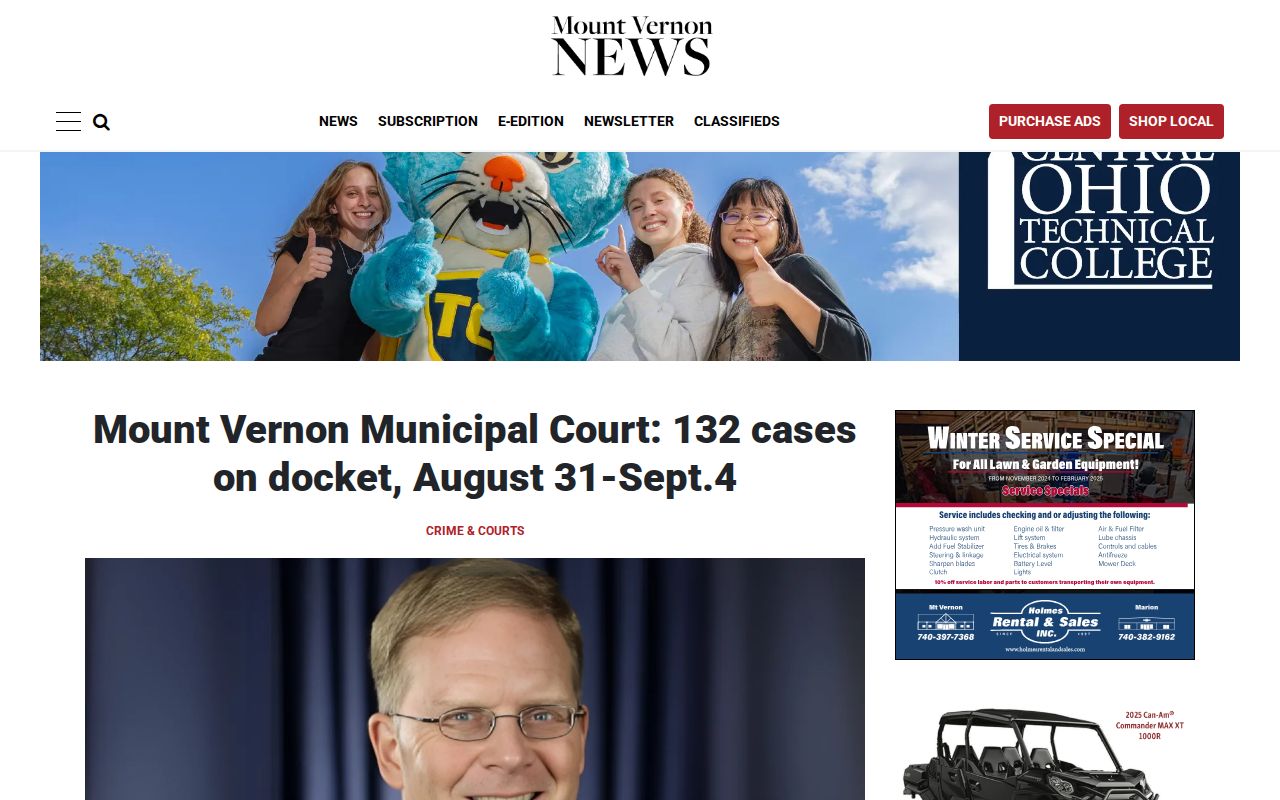
This capture helps distinguish a scheduled court docket from an arrest list or judgment.
Knox Arrest Archives and Retention
The Knox Pages archive runs deep, with pagination reaching at least 252 pages. That depth belongs to news pages. It does not apply to KCSO roster PDFs. The county keeps no old booking archive online. No public source says how long the live PDF or its booking photos stay up.
KCSO's RC-2 schedule spells out several series. KC-002, Arrest Records Check, is kept two years. Officer daily activity logs under KC-008 last one year, while KC-012 communications and CAD logs run two years. The schedule never says KC-002 governs a booking jacket, mugshot, or roster snapshot. Ask which series controls the item you want.
An older request needs specifics. Give the full name, date range, arresting agency, report or case number, record type, and acceptable format. Ask whether the record was retained, destroyed, or transferred. The Records Center is not a booking-photo archive.
Ohio's local-government records process works series by series. A schedule authorizes retention and disposal for named records, but it does not prove a particular file still exists. For a sheriff arrest report, start with KCSO records. For a filed criminal case, start with the right court clerk. Ask the custodian in writing for the series number, retention end date, destruction status, and any transfer location, since that answer beats assuming an old news result is the complete agency file.
Note: Archive depth belongs to a publisher's reports, while sheriff records stay governed by the applicable county retention series.
Knox Law Reports Are Selective
KCSO's annual report says the agency sends information to local media on a regular basis. That explains why newspapers hold agency documents when the county has no public blotter. A paper is still not the custodian. Editorial choice leaves gaps.
Knox Pages carries countywide reports plus city reports from Mount Vernon and Fredericktown. Centerburg can appear too. KCSO provides contract service there, so it surfaces through county reporting. Verify any key detail with the agency that wrote the report.
Third-party arrest pages can preserve names, dates, or photos after a roster changes. They are unofficial. Treat their entries as leads only. A commercial archive cannot prove present custody or a court result. Official agency and court sources come first. The Mount Vernon News Crime & Courts source organizes selected local coverage.

News indexes cover selected arrests, not every Knox County booking.
Verify Knox Arrest Outcomes
An arrest report shows what the agency knew at booking. CourtView covers the next stage. Mount Vernon Municipal Court handles its own city cases. Either docket may list a complaint, arraignment, plea, dismissal, or sentence. An arraignment is an early hearing, while the disposition is the recorded outcome. Treat a report number as a lead only. It may not match the court number. Compare the full name, the filing date, and the alleged offense in each record. The official Knox CourtView source shows the case-search route. Juvenile, sealed, and protected matters may not display; the official Knox CourtView source shows the case-search route, though juvenile, sealed, and protected matters may not display.
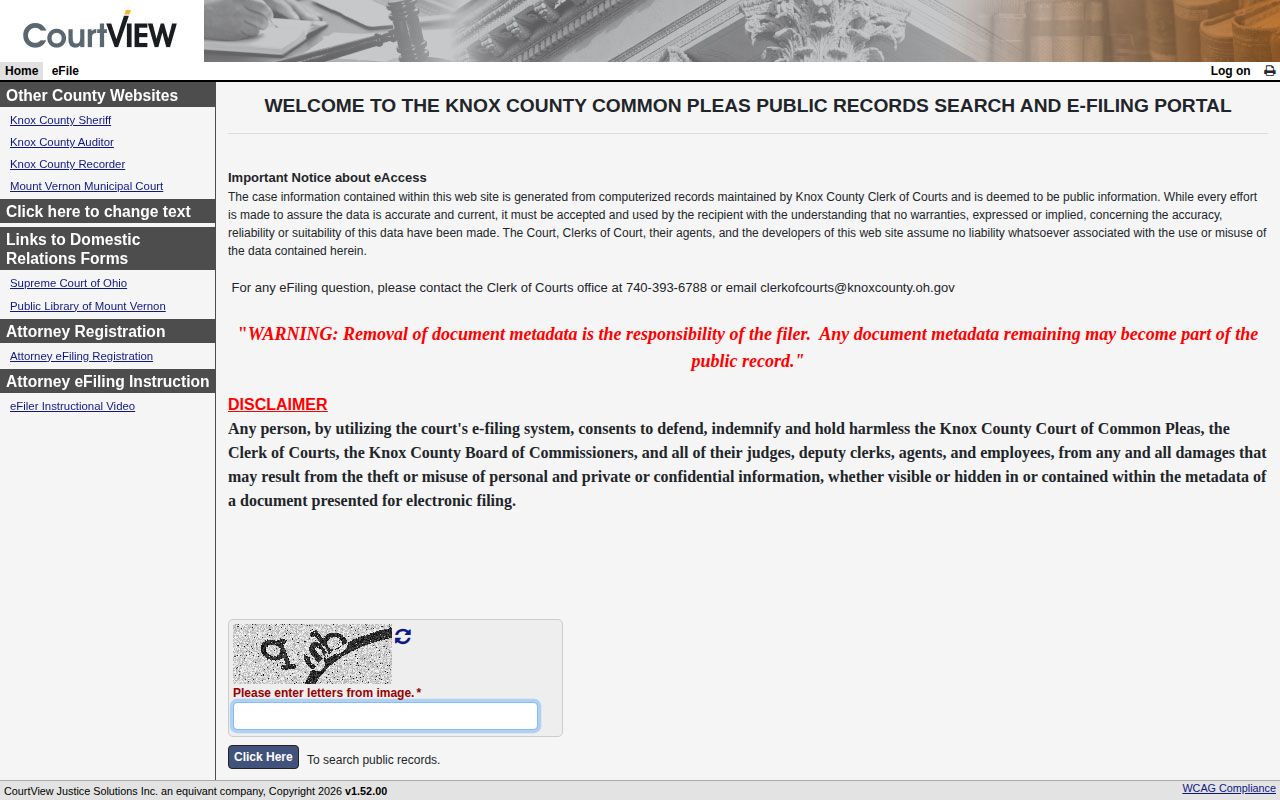
This tool tracks court cases, so it does not replace the Knox County jail roster or an incident report.
Public Record Search
Sponsored Results